What Makes a Door Impact-Resistant?
When Okanagan homeowners ask us about impact-resistant doors, the conversation usually goes somewhere unexpected. Most people come in imagining reinforced bunkers or storm-rated systems built for Florida hurricanes. What they actually need is something more grounded: a door that holds up to real life in this region. At Adera Windows & Doors, we think “impact-resistant” is less about surviving extreme weather events and more about lasting through everything the Okanagan quietly throws at a door, season after season.
What “Impact-Resistant” Actually Means in BC
The term gets borrowed from coastal hurricane markets, but the concept is still useful for Okanagan families. A door’s impact resistance describes how well it holds up under physical stress, whether that’s a shoulder bag bumping it daily, a curious grandchild testing its limits, or decades of temperature swings between -20°C winters and 35°C summers.
Durability in this climate isn’t dramatic; it’s gradual. The doors that fail aren’t usually the ones that took a single hard hit. They’re the ones that were never built to absorb consistent, everyday stress in the first place.
Material Is Where It Starts
The core material of a door determines how well it resists warping, cracking, denting, and general wear over time. Three materials dominate the residential market:
- Solid wood: Traditionally strong and beautiful, but wood responds to moisture and temperature changes. In a climate where the air shifts dramatically between seasons, wood can swell, warp, and eventually fail to seal properly.
- Steel: Excellent resistance to forced entry and physical impact. A quality steel door with a foam insulation core handles temperature extremes well and offers strong security performance.
- Fiberglass: The most practical choice for the Okanagan’s climate range. Fiberglass doesn’t warp, crack, rust, or rot. It handles thermal expansion and contraction without degrading, and it holds its shape across years of seasonal cycling.
For most families we work with in the North and Central Okanagan, fiberglass and steel are the materials that make long-term sense.
Learn all about door fire ratings.
The Frame and Hardware: Often Overlooked, Never Optional
A high-quality door slab in a weak frame is like good tires on a car with a bent axle. A review of all the components that make up a door system needs to be completed to ensure the door remains solid overtime.
Frame Reinforcement
Steel reinforcement plates around the lock strike zone significantly increase resistance to forced entry. Without them, even a well-built door can fail at the frame before the door itself does.
Multi-Point Locking Systems
Standard deadbolts secure a door at one point. Multi-point locking systems engage at three to five locations along the door’s height, distributing force across the frame rather than concentrating stress at a single spot. That matters for both security and long-term structural integrity.
Solid, heavy-duty hinges complete the picture. Three hinges minimum, ideally with non-removable pins, keep the door properly seated and resistant to prying.
Glass Inserts: Stronger Than They Look
Many entry doors include decorative glass panels or sidelites, and that doesn’t have to mean a weak point in your door system. Two glass types offer real durability advantages:
- Tempered glass: Processed to be significantly stronger than standard glass. When it does break, it fragments into small, relatively safe pieces rather than sharp shards.
- Laminated glass: Two glass layers bonded with an interlayer, similar to a car windshield. It holds together when broken rather than shattering, which matters both for safety and for deterring break-in attempts.
Neither of these requires a hurricane threat to be worth choosing. They offer everyday resilience that standard decorative glass simply doesn’t match.
Find out what you should know before installation an entry door.
Thermal Performance Is a Form of Impact Resistance
This one surprises people. Environmental stress, specifically the expansion and contraction caused by the Okanagan’s seasonal temperature swings, creates real physical strain on door materials over time. A door that handles thermal performance well is also a door that stays structurally sound longer.
A few things support that:
- Quality weather stripping that maintains a tight seal without degrading under UV exposure or temperature cycling
- Thermal breaks in steel doors that interrupt heat transfer and reduce the stress caused by temperature differentials between interior and exterior surfaces
- Proper threshold sealing at the door’s base, which is often the first place air and water infiltration shows up
None of these are glamorous features, but they’re the difference between a door that still performs well in year twelve and one that starts to feel loose, drafty, and worn down by year five.
Installation Is Part of the Door
We say this honestly, not to promote ourselves: even the best door on the market will underperform if it isn’t installed correctly. Improper shimming creates stress points. A rough opening that’s slightly off-square causes the door to bind or fail to seal evenly. Installation errors often void manufacturer warranties as well, leaving homeowners without the coverage they paid for.
A door is a system. The slab, the frame, the hardware, the glass, and the weatherproofing are all part of what makes it perform the way it should. So is the installation.
Choosing a Door That Lasts in the Okanagan
Impact resistance, in the way it matters most to Okanagan families, comes down to choosing materials, hardware, and glass that are built to absorb daily use and seasonal stress without compromising over time.
If you’re looking at replacing a door and want honest guidance on what will actually hold up in this climate, we’re glad to walk through it with you. Reach out to us by calling 1-833-652-5922. We’ve been helping families across the North and Central Okanagan make confident, informed decisions for over a decade, and we’ll give you a straight answer, not a sales pitch.
Categories
How Door Threshold Design Affects Energy Efficiency
At Adera Windows & Doors, we talk to a lot of Okanagan homeowners who’ve noticed something isn’t quite right near the bottom of their exterior doors. A cool draft creeping in during a Vernon cold snap, or warm air pushing through on a 35-degree Kelowna afternoon. What they’re often describing… Read more >
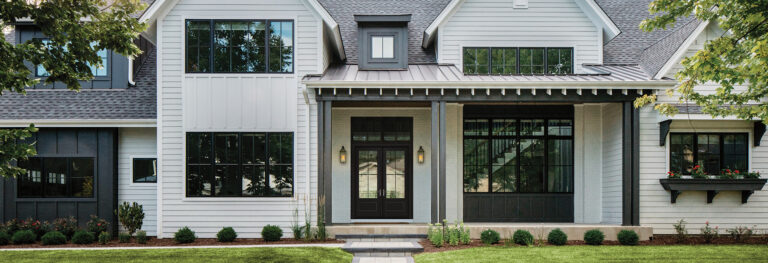
What Makes a Door Impact-Resistant?
When Okanagan homeowners ask us about impact-resistant doors, the conversation usually goes somewhere unexpected. Most people come in imagining reinforced bunkers or storm-rated systems built for Florida hurricanes. What they actually need is something more grounded: a door that holds up to real life in this region. At Adera Windows & Doors, we think… Read more >
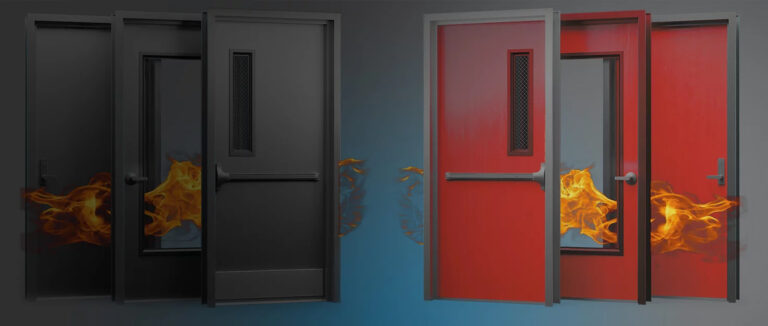
Understanding Door Fire Ratings for Home Safety
At Adera Windows & Doors, some of the questions we hear more often than you might expect are about fire-rated doors: what they are, whether they matter, and where they actually belong in a home. It’s genuinely useful knowledge for any Okanagan homeowner, especially given how seriously our communities have… Read more >
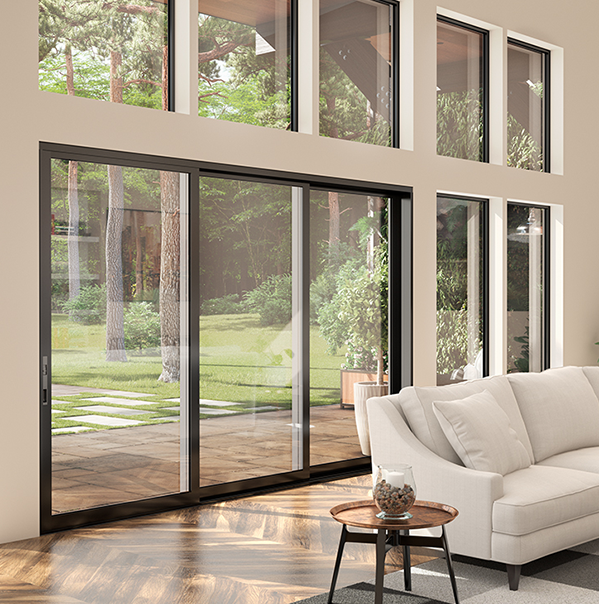
The Benefits of Multi-Slide Doors for Large Openings
If you’ve ever stood in a living room facing a lake, panoramic city or country hillside view and thought, “there should be less indoor-outdoor obstruction here”, that feeling is exactly what multi-slide doors are designed for. At Adera Windows & Doors, we work with a lot of new and existing… Read more >


