The Hidden Benefits of Proper Window Flashing
At Adera Windows & Doors, we talk to a lot of Okanagan homeowners who are surprised to learn that the window itself isn’t always the source of their water, draft, or energy problems. More often, the issue is what’s behind the wall: the flashing. The hidden benefits of proper window flashing don’t show up on a spec sheet or in a showroom, but they’re the difference between a window installation that holds up for decades and one that quietly causes problems you won’t notice until the damage is already done.
What Window Flashing Actually Does
Flashing isn’t one material doing one job. It’s actually two types working together around the window opening before the window ever goes in. Self-adhesive flashing tape, sometimes called peel-and-stick membrane, gets applied to the sill, jambs, and head, with each strip layered so water always drains onto the piece below it rather than slipping in behind it. Metal flashing, most often a drip cap set above the window head, adds a second line of defence, physically shedding water away from the top of the opening before it ever reaches the tape underneath.
Layered together in that same shingled sequence, sill first, then jambs, then head, then the drip cap over top, the tape and the metal form what’s called a drainage plane. Any water that gets past the cladding is redirected outward and downward, away from the wall cavity, instead of pooling somewhere you can’t see it.
Once the window is installed and the exterior siding goes on, all of that work becomes invisible. You’ll never see it again. But it’s doing quiet, continuous work every time it rains, every time snow piles against your foundation, and every spring when that snow melts.
Find out what else you should consider before replacing your windows.
Why the Okanagan Climate Makes This Non-Negotiable
Okanagan homeowners deal with a range of conditions that test window installations in ways milder climates don’t. A few worth thinking about:
- Spring snowmelt drives sustained moisture against exterior walls for weeks at a time
- Summer thunderstorms deliver short, heavy bursts of rain that can force water into any gap
- Freeze-thaw cycles in Vernon and the surrounding areas expand and contract small imperfections, turning minor gaps into bigger ones over time
- Intense summer heat in Kelowna can drive vapour into wall assemblies from the inside out
This isn’t a region where “good enough” installation holds up. Flashing that works fine in a milder climate may fail here simply because our weather asks more of it.
The Problems You Can’t See Until It’s Too Late
This is the part most homeowners don’t think about until they’re pulling drywall. Water that bypasses improperly installed flashing doesn’t show up immediately. It travels, sits, and works slowly.
The consequences tend to compound over time:
- Framing rot weakens the structural integrity around the window opening
- Insulation damage reduces thermal performance long before you see any visible signs
- Mould growth develops inside wall cavities where it’s difficult and expensive to remediate
- Siding failure can result from moisture wicking behind the cladding
By the time most homeowners notice something is wrong, whether it’s a soft spot, a stain, or a persistent smell, the repair scope has grown well beyond what proper installation would have cost. That’s not meant to alarm you. It’s just an honest reason why installation quality matters as much as the window itself.
Learn the pros and cons of different window frame materials.
Energy Performance Starts Behind the Wall
When flashing is done correctly alongside proper air sealing, it significantly tightens the thermal envelope around each window opening, which means it’s doing more than managing moisture.
Air leakage around windows is a real and underestimated source of heat loss in winter and heat gain in summer. If you’ve ever stood near a window on a cold Vernon morning and felt a chill that seemed to come from the wall rather than the glass, that’s often an air sealing issue tied to how the window was installed, not the window’s own performance rating.
Properly flashed and sealed windows mean more consistent room temperatures throughout the day, less strain on your heating and cooling systems, and better long-term performance from the insulation in your wall assembly.
A high-quality window installed with poor flashing will underperform compared to a mid-grade window installed correctly. That’s worth repeating, because a lot of homeowners focus almost entirely on a window’s specifications without thinking about what surrounds it.
What to Ask Any Installer
Since flashing is hidden once the job is done, homeowners are in a difficult position. You can’t inspect it after the fact, which is why it’s worth asking upfront:
- What flashing system do you use (both flashing tape and metal flashing like drip caps) and does it meet the manufacturer’s installation requirements?
- Do you follow a layered installation sequence for sill, jambs, and head?
- How do you integrate flashing with the existing weather-resistant barrier?
A contractor who answers these questions clearly and without hesitation is one worth trusting. One who seems unsure or dismissive is telling you something important.
The Confidence of Knowing It’s Done Right
Proper flashing won’t be visible in your finished windows. You won’t notice it every day, and that’s exactly the point. What you will notice is that your home stays dry, comfortable, and draft-free through everything the Okanagan throws at it, and that your windows perform the way they were meant to for years to come.
When you’re ready to talk through your window project, we’d welcome the conversation. Reach out to us by calling 1-833-652-5922. We’re happy to walk you through our installation process and answer any questions you have, no pressure involved.
Categories
How Door Threshold Design Affects Energy Efficiency
At Adera Windows & Doors, we talk to a lot of Okanagan homeowners who’ve noticed something isn’t quite right near the bottom of their exterior doors. A cool draft creeping in during a Vernon cold snap, or warm air pushing through on a 35-degree Kelowna afternoon. What they’re often describing… Read more >
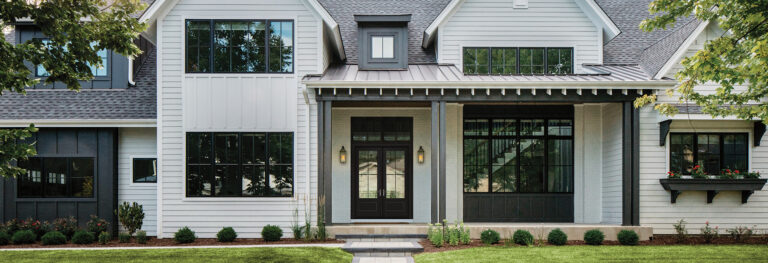
What Makes a Door Impact-Resistant?
When Okanagan homeowners ask us about impact-resistant doors, the conversation usually goes somewhere unexpected. Most people come in imagining reinforced bunkers or storm-rated systems built for Florida hurricanes. What they actually need is something more grounded: a door that holds up to real life in this region. At Adera Windows & Doors, we think… Read more >
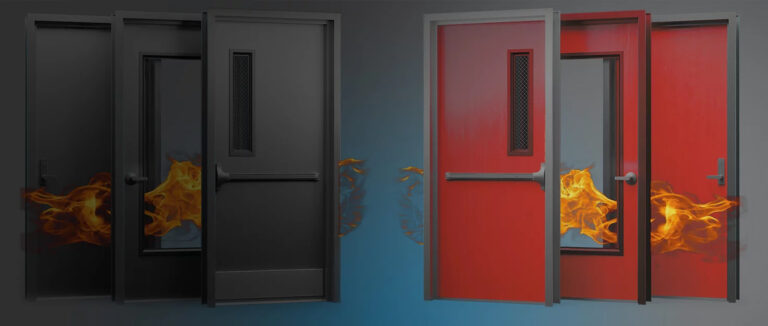
Understanding Door Fire Ratings for Home Safety
At Adera Windows & Doors, some of the questions we hear more often than you might expect are about fire-rated doors: what they are, whether they matter, and where they actually belong in a home. It’s genuinely useful knowledge for any Okanagan homeowner, especially given how seriously our communities have… Read more >
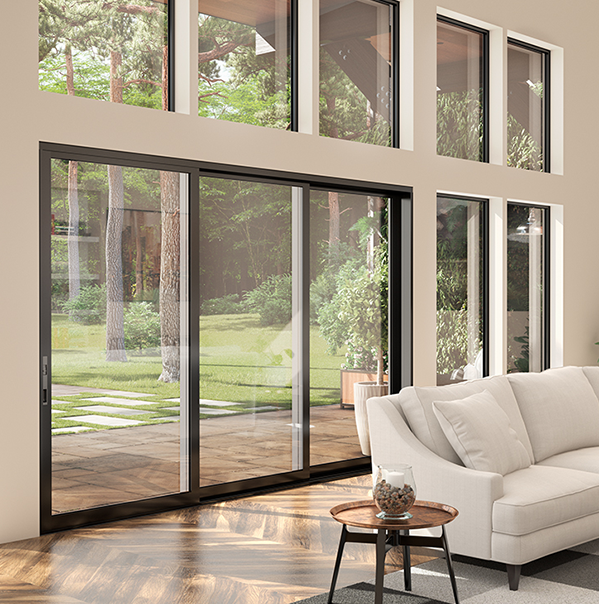
The Benefits of Multi-Slide Doors for Large Openings
If you’ve ever stood in a living room facing a lake, panoramic city or country hillside view and thought, “there should be less indoor-outdoor obstruction here”, that feeling is exactly what multi-slide doors are designed for. At Adera Windows & Doors, we work with a lot of new and existing… Read more >


